
nonionic polyacrylamide
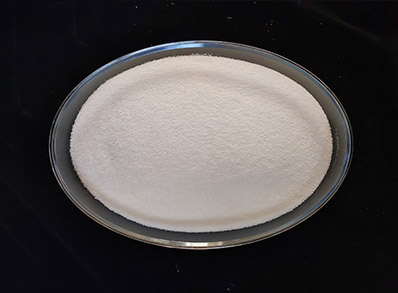
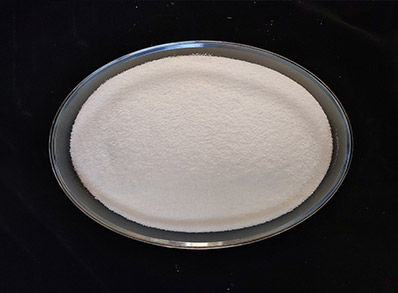
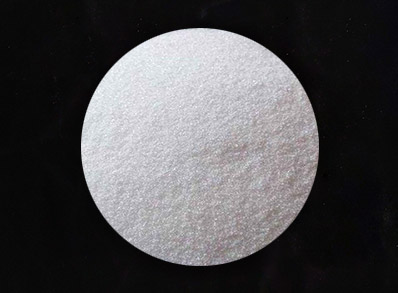
Nonionic polyacrylamide, also known as NPAM, is a linear polymer with high water solubility and very low molecular weight and ionicity. It offers fast solution dissolution and rapid filtration. It typically appears as a white powder or granules. Nonionic polyacrylamide is commonly used in industries such as coal washing, mineral processing, textiles, metallurgy, steel, chemicals, pharmaceuticals, and sand fixation.
Order Hotline : Inquire Now- nonionic polyacrylamide introduction
- nonionic polyacrylamide product description
- nonionic polyacrylamide performance characteristics
- nonionic polyacrylamide how to use
Nonionic polyacrylamide, also known as NPAM, is a linear polymer with high water solubility and very low molecular weight and ionicity. It offers fast solution dissolution and rapid filtration. It typically appears as a white powder or granules. Nonionic polyacrylamide is commonly used in industries such as coal washing, mineral processing, textiles, metallurgy, steel, chemicals, pharmaceuticals, and sand fixation.
Currently, the types of nonionic polyacrylamide available in China include: anionic polyacrylamide, cationic polyacrylamide, nonionic polyacrylamide, and amphoteric polyacrylamide. It has a low water-insoluble content, as low as 0.1%, and a molecular weight between approximately 3 million and 15 million. Packaging typically uses double-layered woven plastic bags with an inner plastic film. This product is non-toxic and not classified as a hazardous material. If it accidentally splashes onto the skin during dissolution, immediate washing is sufficient. It has low corrosiveness and poses little risk to water purification equipment.
1. Nonionic polyacrylamide (NPAM) is effective in treating acidic wastewater. When used in combination with other inorganic flocculants such as polyaluminum chloride (PAC), it achieves optimal purification results.
2. NPAM can also help prevent and stabilize sand dunes. Dissolving NPAM in a 0.3% concentration and spraying it on desert surfaces can effectively prevent and stabilize sand dunes.
3. It also has good applications in the planting industry, serving as a soil moisturizer to promote the growth of plants and trees.
4. As a textile auxiliary agent, it can be formulated with other chemicals to create a slurry that can be applied to textiles. This increases viscosity, improves penetration and desizing properties, thus preventing static electricity in textiles.
1. When using polyacrylamide, first prepare an aqueous solution with a concentration between 0.1% and 0.4%. Neutral water is best, such as tap water.
2. Add the nonionic polyacrylamide thoroughly to the water, stirring constantly and evenly. The optimal water temperature is 60 degrees Celsius, which will accelerate dissolution.
3. Adjust the pH value of the wastewater. This will allow the polyacrylamide to achieve its best water purification effect. It is best to take a sample of the wastewater for a small-scale test to determine the optimal pH value and dosage of polyacrylamide.
4. Add the nonionic polyacrylamide solution to the wastewater and stir rapidly. If flocculent matter appears in the water, slow down the stirring speed to further accelerate the flocculation and sedimentation effect, achieving the best water purification result.