
Polyacrylamide
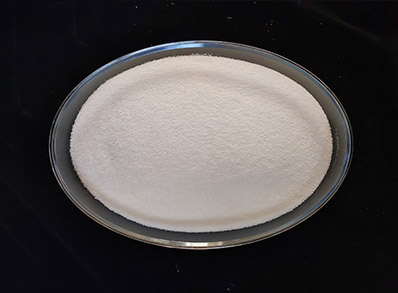
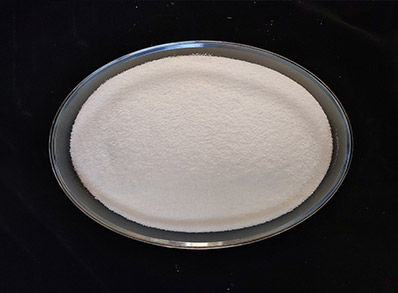
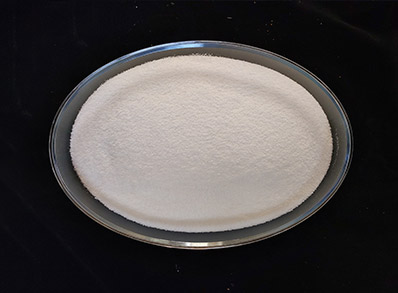
Polyacrylamide, also known as amide, or PAM in English, is commonly used as a flocculant in the water purification industry. Its molecular structure is +CH₂-CHn, and it is a linear polymer. It is not classified as a hazardous material, and its molecular weight ranges from approximately 4 million to 20 million. It typically appears as a white powder.
Order Hotline : Inquire Now- Polyacrylamide introduction
- Polyacrylamide product description
- Polyacrylamide performance characteristics
- Polyacrylamide how to use
Polyacrylamide, also known as amide, or PAM in English, is commonly used as a flocculant in the water purification industry. Its molecular structure is +CH₂-CHn, and it is a linear polymer. It is not classified as a hazardous material, and its molecular weight ranges from approximately 4 million to 20 million. It typically appears as a white powder.
Polyacrylamide, similar to table salt used in industrial production, is a viscous, gel-like liquid that dissolves readily in water. It decomposes more easily at temperatures above 120 degrees Celsius. There are several types of polyacrylamide: anionic, cationic, amphoteric, and nonionic. In water, it rapidly adsorbs and bridges suspended particulate matter, exhibiting a strong flocculation effect. Therefore, it is widely used in industries such as papermaking, petroleum, mineral processing, coal washing, metallurgy, steel, printing and dyeing, textiles, food, pharmaceuticals, cosmetics, tap water, and drinking water.
1. Polyacrylamide has excellent adsorption properties, rapidly flocculating impurities in water.
2. It requires a small dosage and exhibits good dewatering and desludge removal performance. The water purification cost is low.
3. The water purification effect is even better when used in conjunction with polyaluminum chloride.
4. It has good water solubility and dissolves completely, almost unaffected by water temperature.
5. Its water treatment performance is stable, requiring no additional alkaline additives.
1. Conduct a small-scale test on wastewater samples to determine the most suitable type and dosage of polyacrylamide.
2. Dissolve the amide at a concentration of 0.1%, preferably in neutral water. Regular tap water is acceptable.
3. During dissolution, add the amide to the water while continuously stirring. The optimal water temperature is above 60 degrees Celsius.
4. Then, add the PAM solution to the wastewater for continuous flocculation, adsorption, and sedimentation. Closely monitor the changes in the reaction tank. If the flocs are large and churning upwards, it indicates that too much polyacrylamide has been added; if the flocs are small and dispersed, it indicates that the dosage is too low.