
Anionic polyacrylamide
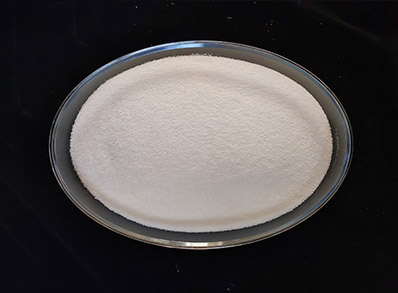
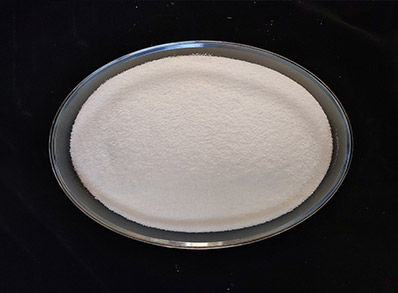
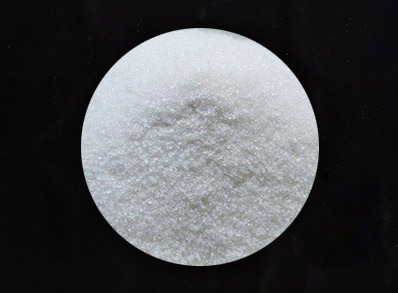
Anionic polyacrylamide can be categorized into two types based on its appearance: granular powder and powder form. Its color is mostly white. With a molecular weight ranging from 8 million to 20 million, it is a high-molecular-weight inorganic flocculant with high viscosity. Another important factor is its degree of hydrolysis, which can be classified into three types: low degree of hydrolysis, medium degree of hydrolysis, and high degree of hydrolysis.
Order Hotline : Inquire Now- Anionic polyacrylamide introduction
- Anionic polyacrylamide product description
- Anionic polyacrylamide performance characteristics
- Anionic polyacrylamide how to use
Anionic polyacrylamide can be categorized into two types based on its appearance: granular powder and powder form. Its color is mostly white. With a molecular weight ranging from 8 million to 20 million, it is a high-molecular-weight inorganic flocculant with high viscosity. Another important factor is its degree of hydrolysis, which can be classified into three types: low degree of hydrolysis, medium degree of hydrolysis, and high degree of hydrolysis.
Anionic polyacrylamide (PAM) is commonly produced in the market in medium and high degree of hydrolysis. When using PAM flocculants, the surface characteristics of the flocs are closely related to viscosity, turbidity, suspended solids, and pH value. It can play a good role in adsorption and bridging. The molecular chains in the amide can link relatively dispersed molecules through mechanical, physical, and chemical properties, and finally form a network.
1. Easily soluble in water; its solubility is unaffected by the temperature of the raw water.
2. Rapidly forms adsorption, bridging, and sedimentation processes in water.
3. Anionic polyacrylamide requires a smaller dosage, resulting in lower water purification costs.
Polyacrylamide is commonly used in wastewater treatment, sludge dewatering via filter press, and sludge dewatering.
1. Solid anionic polyacrylamide should first be dissolved in tap water. Never use wastewater to dissolve it. Dissolution will be very slow if the water temperature is below -5°C. To speed up dissolution, the water temperature should be increased, but it should not exceed 40°C. Excessively high temperatures can negatively impact flocculation and result in suboptimal water purification.
2. The optimal solubility for a polyacrylamide solution is approximately 0.001% to 0.003%. When preparing the solution, keep the concentration as low as possible. Excessive dosage can lead to excessive viscosity and have the opposite effect.
3. A reference solubility value for polyacrylamide is 0.3% solution. The optimal dosage and concentration should be determined based on the equipment capacity and wastewater sampling. This will ensure better wastewater treatment.