
Plate and frame filter press polyaluminum chloride
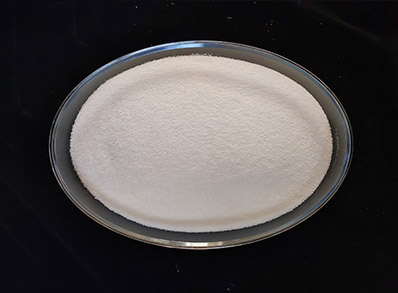
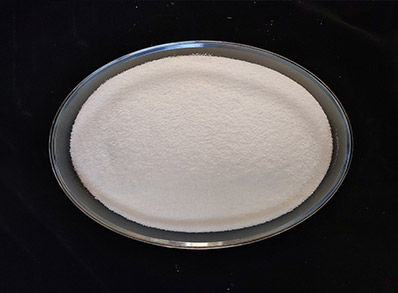
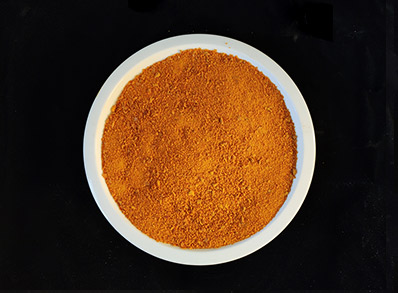
There are currently two production processes for polyaluminum chloride on the market: plate and frame filter press and spray drying. The plate and frame filter press process is more environmentally friendly, and the resulting polyaluminum chloride is typically in the form of yellow granules or powder. Using this process, the polyaluminum chloride content can reach up to 32%.
Order Hotline : Inquire Now- Plate and frame filter press polyaluminum chloride introduction
- Plate and frame filter press polyaluminum chloride product description
- Plate and frame filter press polyaluminum chloride performance characteristics
- Plate and frame filter press polyaluminum chloride how to use
There are currently two production processes for polyaluminum chloride on the market: plate and frame filter press and spray drying. The plate and frame filter press process is more environmentally friendly, and the resulting polyaluminum chloride is typically in the form of yellow granules or powder. Using this process, the polyaluminum chloride content can reach up to 32%.
Compared to spray drying, plate and frame filtration of polyaluminum chloride (PAC) results in slightly higher levels of water-insoluble matter and heavy metal ions. However, the produced PAC fully meets national drinking water standards, making plate and frame filtration a crucial technology in the domestic market. Zesheng Water Treatment's plate and frame PAC production achieves water-insoluble matter levels below 0.1%, and its basicity can be easily adjusted. Therefore, plate and frame PAC is widely used in water treatment for industrial wastewater, municipal wastewater, domestic sewage, waterworks, and drinking water. Applications include textile mills, dyeing and printing plants, paper mills, pharmaceutical factories, coal washing plants, mineral processing plants, metallurgical plants, leather factories, food processing plants, and steel mills. The purified water fully meets national water quality standards.
1. Polyaluminum chloride (PAC) has good solubility and can quickly coagulate in water, forming large and dense flocs with a rapid settling speed. Its water purification efficiency is more than three times higher than other inorganic flocculants.
2. It has a large molecular weight structure, extremely strong adsorption capacity, requires very little dosage, and has low water purification costs.
3. It has a wide pH range and strong adaptability, and its flocculation effect is largely unaffected by water temperature. The treated water easily meets national water purification standards.
4. PAC has very low corrosiveness, is easy to operate, requires minimal labor intensity and is easy to learn.
5. It can remove bacteria, odors, aluminum, turbidity, heavy metal ions, and radioactive pollutants from water.
1. Because the properties of impurities in different types of wastewater vary, the dosage of polyaluminum chloride (PAC) needs to be determined on a case-by-case basis. Generally, the dosage for purifying wastewater is approximately 25 kg of solid PAC per ton of wastewater. The optimal dosage needs to be determined through beaker experiments.
2. Dilute the PAC with tap water according to a certain ratio and mix thoroughly.
3. Based on the results of the initial beaker experiments, determine the appropriate dosage of PAC based on the specific circumstances.
4. Dissolve the prepared PAC and add it to the wastewater for reaction: flocculation, adsorption, agglomeration, and sedimentation. During this process, continuous and uniform stirring is necessary to ensure complete dissolution and achieve water purification.