
Spray-dried polyaluminum chloride
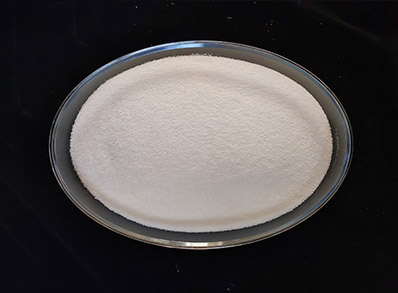
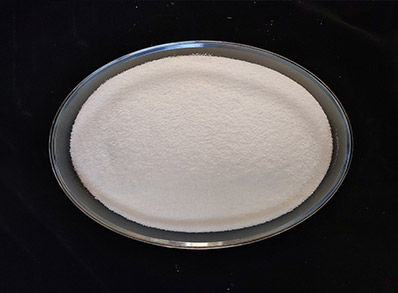
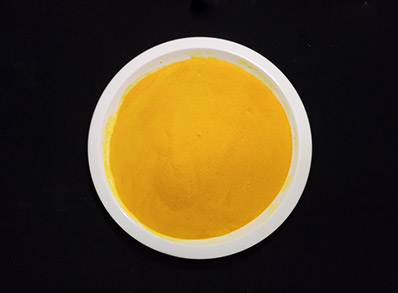
Spray-dried polyaluminum chloride (PAC) is manufactured using a spray-drying process. Visually, it is typically a white or yellow powder. White PAC is considered higher grade, while yellow PAC is mid-grade. The highest aluminum oxide (ANO) content is 30%. This method produces numerous porous, small particles, similar to flour.
Order Hotline : Inquire Now- Spray-dried polyaluminum chloride introduction
- Spray-dried polyaluminum chloride product description
- Spray-dried polyaluminum chloride performance characteristics
- Spray-dried polyaluminum chloride how to use
Spray-dried polyaluminum chloride (PAC) is manufactured using a spray-drying process. Visually, it is typically a white or yellow powder. White PAC is considered higher grade, while yellow PAC is mid-grade. The highest aluminum oxide (ANO) content is 30%. This method produces numerous porous, small particles, similar to flour.
Spray-dried polyaluminum chloride (PAC) uses high-purity, finely powdered aluminum hydroxide as its raw material. Due to its high purity, it is also known as high-purity PAC. It is a high-quality PAC product suitable for drinking water. It is commonly used in many water treatment plants in China for drinking water applications. It can also effectively treat even difficult-to-treat wastewater. Spray-dried PAC is highly volatile and easily dissolves in air and water. In water purification processes, it exhibits excellent stability and solubility, even in situations that may cause pipe or equipment blockage. Spray-dried PAC is widely used in industries such as domestic sewage, municipal sewage, industrial wastewater, papermaking wastewater, steel mills, metallurgical plants, printing and dyeing, textiles, pharmaceuticals, and cosmetic raw materials.
1. High alumina content and high purity, reaching up to 30%.
2. Extremely soluble in water, with very little water-insoluble matter, as low as 0.3%, and even lower in liquid PAC (as low as 0.1%); it also exhibits excellent stability.
3. Wide pH adaptability, thus broad application range.
4. Rapid flocculation and coagulation in water. It has strong adsorption properties, quickly forming large and dense flocs.
5. White in color; the iron content in polyaluminum chloride is extremely low, remaining clear and transparent even when dissolved in water.
6. Low dosage, resulting in low water purification costs.
1. The specific dosage of spray-dried polyaluminum chloride (PAC) depends on the water quality. Generally, the dosage is approximately 20-30 grams per ton of water. For liquid PAC, the dosage is 5-100 grams per ton. The final dosage should be determined through beaker experiments to find the optimal amount.
2. Prepare a solution of PAC and tap water to a certain concentration, stirring continuously to ensure complete dissolution. Finally, dissolve the PAC and add it to the wastewater to achieve purification.
Precautions:
Because each manufacturer's production process is different, water treatment agents from different manufacturers cannot be used together or stored together. Other chemicals should also not be mixed during transportation or storage. Spray-dried PAC has some corrosiveness, but it is less corrosive than some traditional inorganic flocculants. Store in a dry, well-ventilated place, avoiding direct sunlight. Products that have absorbed enough moisture can still be used. The shelf life of solid spray-dried polyaluminum chloride is 1-2 years, and the shelf life of liquid is 6 months. After purification with this agent, the purified water quality can fully meet the national drinking water standards.