
Polyferric sulfate
Polyferric sulfate (SPFS) is a new generation of water purification agent on the market. It belongs to the category of iron salt inorganic polymeric flocculants. Its abbreviation is: polyferric sulfate, and its English name is SPFS.
Order Hotline : Inquire Now- Polyferric sulfate introduction
- Polyferric sulfate product description
- Polyferric sulfate performance characteristics
- Polyferric sulfate how to use
Polyferric sulfate (SPFS) is a new generation of water purification agent on the market. It belongs to the category of iron salt inorganic polymeric flocculants. Its abbreviation is: polyferric sulfate, and its English name is SPFS.
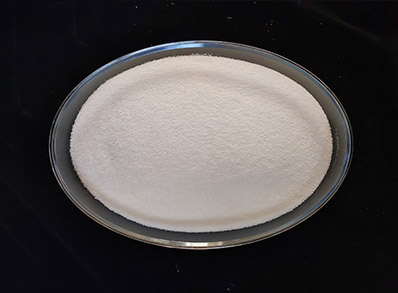
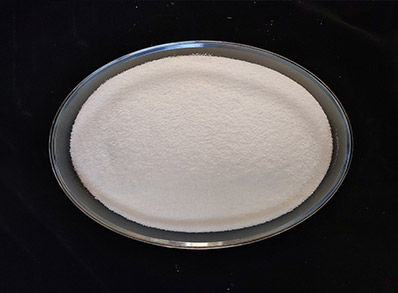
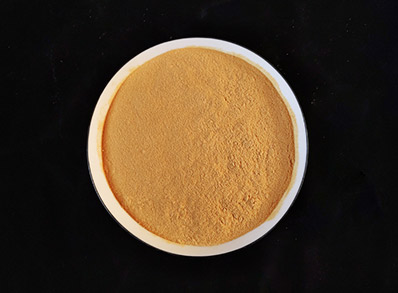
Polyferric sulfate (SPFS) is a new generation of water purification agent on the market, belonging to the category of ferric salt inorganic polymeric flocculants. It is abbreviated as: polyferric sulfate, English: SPFS. Its molecular formula is: [Fe2(OH)n(SO4)3-n/2]m (where n<2, m=f(n)). Performance indicators: It conforms to the national standard for polyferric sulfate, GB14591-2006. The ferric sulfate content is 20%-21%. Appearance: It is mostly yellow granular or powdery. It is easily soluble in water and can quickly react with the negative charge of colloidal microparticles in wastewater, and can also bridge ions to produce a flocculation effect. The resulting flocs are relatively large, and the sedimentation rate is also fast. It has excellent flocculation effect and higher water purification performance compared with other inorganic flocculants. It also has other functions such as decolorization, sterilization, deodorization, oil removal, removal of heavy metal ions such as chromium, nickel, and aluminum, and removal of radioactive substances. It boasts relatively stable performance, is convenient and quick to use, and offers low water purification costs, saving approximately 20%-50% compared to other inorganic flocculants.
Applications: Industrial wastewater, industrial water, municipal sewage, municipal wastewater, food processing water, drinking water grade, and other water purification applications.
1. Excellent coagulation effect, producing large, dense flocs with rapid sedimentation.
2. Low dosage; polyferric sulfate is relatively inexpensive, resulting in cost savings of 20%-40% in water treatment.
3. Low corrosiveness; minimally corrosive to water treatment equipment, causing no damage.
4. Wide applicable pH range: 4-11. However, the optimal pH is 6-9. The pH value of the purified water changes minimally. Therefore, it can be used in many water purification applications.
5. Significantly effective for wastewater containing pollutants, algae, and low-turbidity wastewater at low temperatures; performs best for highly turbid water.
6. A novel inorganic polymeric water purification agent based on iron salts, developed using a new production process.
1) Before adding polyferric sulfate, the reagent needs to be added to the experimental tank at a concentration of 10%-30%. While adding tap water, continuously and evenly stir to ensure complete dissolution. After standing for two hours, allow it to settle completely. It will turn a reddish-brown transparent color, at which point it is ready for use. Note that the prepared solution must be used on the same day; if left for more than a day, the reagent's effectiveness will gradually diminish.
2) Add the prepared polyferric sulfate to the reaction tank, along with the wastewater to be treated. Continuously and evenly stir to ensure complete dissolution. During this process, flocs will continuously form, adsorbing impurities in the water and causing them to settle, ultimately purifying the water.