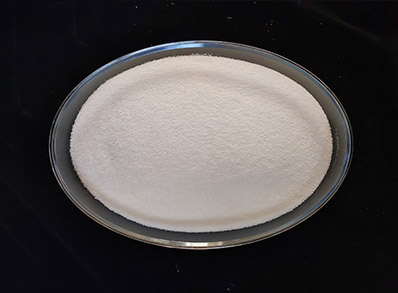

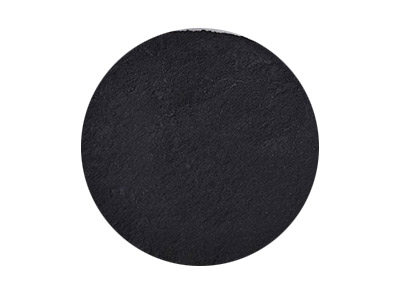
Powdered activated carbon
Powdered activated carbon is mainly produced from high-quality wood chips and fruit shells. Currently, the most common production method used in the market is the zinc chloride process.
Order Hotline : Inquire Now- Powdered activated carbon introduction
- Powdered activated carbon product description
- Powdered activated carbon performance characteristics
- Powdered activated carbon how to use
Powdered activated carbon is mainly produced from high-quality wood chips and fruit shells. Currently, the most common production method used in the market is the zinc chloride process.
Powdered activated carbon is mainly produced from high-quality wood chips and fruit shells. Currently, the most common production method on the market is the zinc chloride process. Powdered activated carbon produced by this method has a well-developed pore structure, a large adsorption capacity, and rapid filtration capabilities. It is primarily used for decolorizing various pharmaceuticals, removing impurities, and reducing pyrogens. Powdered activated carbon produced by this process is suitable for decolorizing, deodorizing, removing impurities, and purifying high-color industrial solutions such as glucose, chemical auxiliaries, food additives, pharmaceutical preparations, sugar refining, dyeing, and amino acids.
The phosphoric acid method is another process for producing powdered activated carbon. This process is characterized by its well-developed mesoporous structure and wide surface area, resulting in extremely fast filtration speed, large adsorption capacity, and complete absence of zinc salts. Currently, it is mainly used for decolorization, deodorization, and impurity removal in products such as wine, pharmaceutical intermediates, condiments, food processing, citric acid, animal and plant proteins, vitamins, antibodies, seasonings, glutamic acid and its salts, and lactic acid and its salts.
Injectable activated carbon: It has fewer impurities, high purity, and fast filtration, offering excellent decolorization, water purification, and refining properties. Currently, it is mainly used for decolorizing various injectable drugs, removing pyrogens, and in the preparation of pharmaceuticals. It can also be used for decolorizing vitamin C and other drugs. Due to its strong filtration properties, it is widely applicable to the decolorization and preparation of pharmaceuticals, traditional Chinese medicine, Western medicine, and pesticides. It also has detoxifying and intestinal bacteria-removing effects.