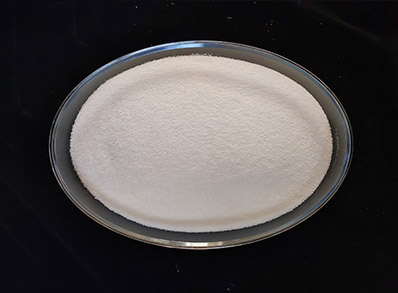

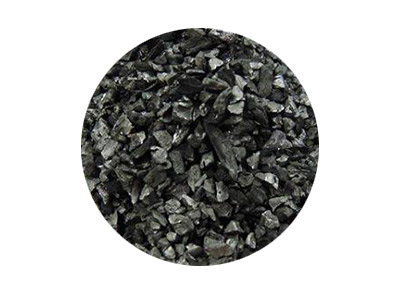
Fruit shell activated carbon
Coconut shell activated carbon is made by special treatment of high-quality activated carbon. This product is specifically designed to purify wastewater and exhaust gas, so it is often called "air purifying coconut shell activated carbon".
Order Hotline : Inquire Now- Fruit shell activated carbon introduction
- Fruit shell activated carbon product description
- Fruit shell activated carbon performance characteristics
- Fruit shell activated carbon how to use
Coconut shell activated carbon is made by special treatment of high-quality activated carbon. This product is specifically designed to purify wastewater and exhaust gas, so it is often called "air purifying coconut shell activated carbon".
Coconut shell activated carbon is made through a special treatment of high-quality activated carbon. This product is specifically designed to purify wastewater and exhaust gases, hence it is often called "air-purifying coconut shell activated carbon." It has high hardness and strength; the gaps between each pore must be micropores to function as air-purifying activated carbon. Among activated carbons, coconut shells and coal are considered very effective for air purification, with coconut shell activated carbon exhibiting the best air purification effect. It features a well-developed pore structure, a large surface area in contact with air, good adsorption capacity, low resistance, relatively stable performance, and a long service life.
Primarily used for the deep purification of drinking water and industrial wastewater, it effectively separates, purifies, and refines various waste gases and exhaust gases. It is used for decolorization, deodorization, and preparation in industries such as sugar refining, pharmaceuticals, brewing, beverages, and condiments. In the chemical industry, it is often used as a catalyst.
The pore size of coconut shell activated carbon can be classified into three types: macropores (radius 100-2000 nm), mesopores (radius 2–100 nm), and micropores (radius less than 2 nm). Activated carbon made from various raw materials has different pore sizes. Coconut shell activated carbon has the smallest pore size, making it particularly suitable for purifying small gas molecules. Due to its large surface area, its pore size is slightly larger than the molecular weight of the adsorbed gas.
Choose the best placement location, such as a wardrobe, shoe cabinet, computer desk, study desk, coffee table, sofa, or cabinet. Since people move around frequently, it's best to place it near the source of pollution. Activated carbon is more passive and is most effective in purifying the air in small areas or spaces. In newly renovated houses, the most toxic and harmful odor is formaldehyde, which is heavier than air. Therefore, it's best to choose the area with the most severe pollution, ideally within 1.8 meters, as this height corresponds to human comfort. This is the optimal placement location.