
Polyacrylamide for sand washing plants
For sand washing plants, anionic polyacrylamide is typically chosen as the flocculant. Anionic polyacrylamide is a water-soluble polymer. Because its molecular chain contains a certain number of polar groups, it can adsorb suspended solid particles in water, bridging the particles or neutralizing their charges to cause them to aggregate and form large flocs.
Order Hotline : Inquire Now- Polyacrylamide for sand washing plants introduction
- Polyacrylamide for sand washing plants product description
- Polyacrylamide for sand washing plants performance characteristics
- Polyacrylamide for sand washing plants how to use
For sand washing plants, anionic polyacrylamide is typically chosen as the flocculant. Anionic polyacrylamide is a water-soluble polymer. Because its molecular chain contains a certain number of polar groups, it can adsorb suspended solid particles in water, bridging the particles or neutralizing their charges to cause them to aggregate and form large flocs.
For sand washing plants, anionic polyacrylamide is typically chosen as the flocculant. Anionic polyacrylamide is a water-soluble polymer. Because its molecular chain contains a certain number of polar groups, it can adsorb suspended solid particles in water, bridging the particles or neutralizing their charges to cause them to aggregate into large flocs.
It is used for flocculation and sedimentation in various industrial wastewater treatments, such as wastewater from steel mills, sand washing plants, electroplating plants, and coal washing plants, as well as sludge dewatering. It can also be used for drinking water clarification and purification. The effect is even more pronounced when using anionic polyacrylamide products in conjunction with inorganic flocculants such as polyaluminum chloride.
Polyacrylamide flocculants used for sludge dewatering in sand washing plants are high-molecular-weight organic compounds. The molecular weight of PAM produced by water purification material companies is mostly in the millions, and some even approach 25 million. Therefore, their dissolution methods are very different from those of inorganic small-molecule iron salts (polyferric sulfate) and aluminum salt coagulants (polyaluminum chloride).
1. When using polyacrylamide flocculant in sand washing plants, it cannot be added directly to wastewater. It must be dissolved in water first, and the resulting aqueous solution is used to treat the wastewater.
2. The water used to dissolve the polyacrylamide flocculant and polyaluminum chloride coagulant should be clean water (such as tap water), not wastewater. Room temperature water is sufficient; heating is generally not required. Dissolution is very slow below 5 degrees Celsius, and the dissolution rate increases with higher temperatures. However, temperatures above 40 degrees Celsius will accelerate polymer degradation, affecting the effectiveness of the treatment. Tap water is generally suitable for preparing polymer solutions; strong acids, strong alkalis, and water with high salt content are not suitable.
3. The concentration of the polyacrylamide and polyaluminum chloride solutions must be appropriate. The dissolution ratio for loading is 0.1% to 0.3%, which means adding 1-3 kg of solid polyacrylamide or polyaluminum chloride to one ton of clean water.
The following factors should be considered when selecting the concentration:
If the dissolving tank has a small volume and the daily wastewater volume and dosage are large, it is recommended to prepare a slightly more concentrated solution with a higher proportion. When the molecular weight of polyacrylamide is very high, it is recommended to prepare a slightly more diluted solution. Using a 0.1% polyacrylamide solution in the wastewater results in a high polymer concentration, which can overload the agitator motor and lead to poor dispersion of the influent, affecting the effectiveness of the treatment.
Technical Specifications of Polyacrylamide for Sand Washing Plants
CAS No.:
9003-05-8
Appearance:
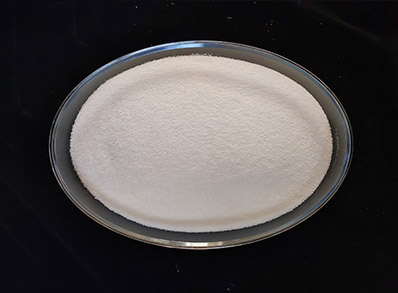
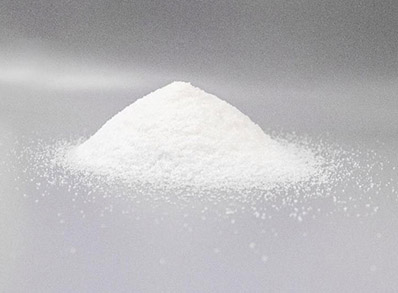
White or slightly yellow granules
Particle Size:
Granular (20-40 mesh), Fine powder (40-60 mesh)
Molecular Weight:
3 million-25 million (adjustable)
Degree of Hydrolysis:
10-45% (adjustable)
Solid Content:
≥88-90%
Water Insoluble Matter:
≤0.02%
Dissolution Time:
≤60 minutes
Preparation Concentration:
0.1% (usually) — 0.5% (higher)
Shelf Life:
Product (2 years), Prepared solution (6-30 days)
Residual Units:
≤0.1%
Applications:
Limited to industrial use