
Polyacrylamide for printing and dyeing factories
Polyacrylamide specifically formulated for dyeing and printing plants is a composite polymer. It effectively clarifies coal washing water, causing fine particles in the water to quickly agglomerate and settle, thus increasing the recovery of peat and achieving water conservation and pollution prevention. However, the disposal of sludge generated from dyeing and printing wastewater is a major headache for manufacturers, as dyeing and printing sludge generally has a high content of inert substances.
Order Hotline : Inquire Now- Polyacrylamide for printing and dyeing factories introduction
- Polyacrylamide for printing and dyeing factories product description
- Polyacrylamide for printing and dyeing factories performance characteristics
- Polyacrylamide for printing and dyeing factories how to use
Polyacrylamide specifically formulated for dyeing and printing plants is a composite polymer. It effectively clarifies coal washing water, causing fine particles in the water to quickly agglomerate and settle, thus increasing the recovery of peat and achieving water conservation and pollution prevention. However, the disposal of sludge generated from dyeing and printing wastewater is a major headache for manufacturers, as dyeing and printing sludge generally has a high content of inert substances.
Polyacrylamide for dyeing and printing plants is a composite polymer. It can effectively clarify coal washing water, causing fine particles in the water to quickly agglomerate and settle, increasing the recovery of peat, thereby achieving water conservation and pollution prevention. However, the disposal of sludge generated from dyeing and printing wastewater is a major headache for manufacturers. Dyeing and printing sludge generally has a high content of inert substances; for example, sludge from denim garment washing and bleaching wastewater has a high sand content, while the content of organic matter and pathogens is low, and the calorific value is also low. It generally has a high heavy metal content (compared to sludge from urban sewage). Because the composition of sludge generated in the dyeing and printing industry varies depending on the raw materials used, product types, and processing methods, companies using sulfur dyes will inevitably have a higher sulfide content. Therefore, the selection and dosage of agents for dyeing and printing sludge treatment must be differentiated according to the source of the sludge, taking into account factors such as the scale of wastewater treatment, sludge production, agent source, agent dosage, operating costs, and sludge cake moisture content, adapting to local conditions and taking all factors into consideration.
Polyacrylamide used in dyeing and printing plants possesses hygroscopic, flocculating, adhesive, drag-reducing, and thickening properties, along with good stability. The molecules of this product can bridge and adsorb suspended particles dispersed in solution, exhibiting a strong flocculation effect. Our company's polyacrylamide products are divided into four series: anionic, cationic, and products with different molecular weights and degrees of ionization.
Currently, due to their scale limitations, domestic dyeing and printing plants generally have wastewater volumes rarely exceeding 100,000 cubic meters per day. Large-scale natural drying on land or the installation of incinerators are not feasible, especially in the rainy and humid climate of the Jiangsu and Zhejiang regions, where drying facilities are practically ineffective. Generally, small-scale wastewater treatment plants handle the treatment. After preliminary conditioning, the sludge undergoes pressing. During dewatering, a large amount of flocculant is used as a sludge dewatering agent. Many flocculants are used for sludge treatment, including aluminum sulfate, ferric chloride, ferrous sulfate, polyaluminum chloride, polyaluminum sulfate, and polyacrylamide, each with its own applicable scope and advantages and disadvantages.
Item model | Appearance | Molecular Weight (10,000) | Solid content (%) | Ionization/Hydrolysis (%) | Residual monomers (%) | Scope of use: |
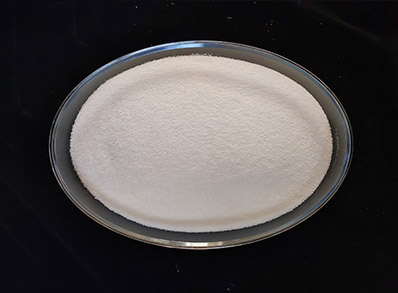
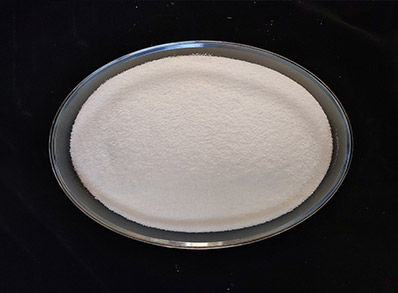
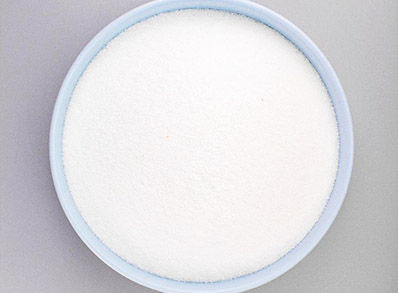
Anionic type | White granular powder | 300~2200 | ≥90 | Hydrolysis degree 10-45 | ≤0.2 | The PH of water is neutral or alkaline |
Cationic type | White granules | 500~1200 | ≥90 | Ionic degree 10-80 | ≤0.2 | Belt machine/centrifugal/filter press |
Non-ionic type | White granules | 200~1500 | ≥90 | Hydrolysis degree 0-5 | ≤0.2 | The PH of water is neutral or alkaline |