
- Next page:Wastewater treatment in coal washing plants
- Previous Page:Leather wastewater treatment
Sewage treatment in ceramic factories
随着建筑业的发展,陶瓷工业的兴起是一种必然趋势。陶瓷厂每天使用数万吨水,使得陶瓷废水处理成为一个难题。陶瓷废水中的悬浮物浓度很高,如果不经过处理就直接排放,不仅会堵塞河道、废水,还会造成水污染。陶瓷废水的主要来源是用粘土、长石、石灰石等原料加入适当的分散剂和水分,经成型和烘烤后,从陶瓷生产过程中排出的废水。聚丙烯酰胺(PAM)在工业废水处理中具有显著的效果,且使用成本低。在陶瓷With the development of the construction industry, the rise of the ceramic industry is an inevitable trend. Ceramic factories use tens of thousands of tons of water every day, making ceramic wastewater treatment a challenge. The concentration of suspended solids in ceramic wastewater is very high, and if it is discharged directly without treatment, it will not only block rivers and wastewater, but also cause water pollution. The main source of ceramic wastewater is the wastewater discharged from the ceramic production process after forming and baking with clay, feldspar, limestone and other raw materials with appropriate dispersants and moisture. Polyacrylamide (PAM) has significant effects in industrial wastewater treatment and is low in use. It also has a wide range of applications in ceramic wastewater treatment. The following Henan Laixing Water Purification will answer the role of polyacrylamide (PAM) in wastewater treatment in ceramic factories in detail.
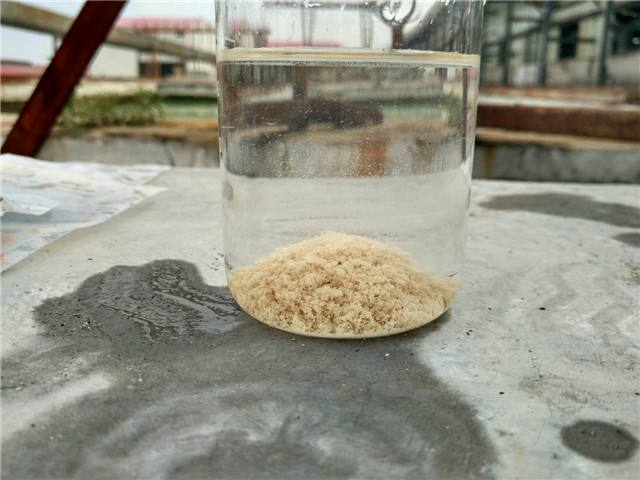
陶瓷废水主要由陶瓷生产过程中的球磨、清洗滤布、上釉(清洗)、喷雾干燥、研磨抛光等工序产生,也会在原料输送和表面冲刷过程中产生一定量的废水。陶瓷废水中悬浮物浓度高达5000mg/L,并且水中还含有其他重金属。废水中的大颗粒悬浮物在重力作用下自然沉淀。但大部分废水的粒径小于150um,接近胶体颗粒的粒径,分离难度很大。
根据陶瓷废水的特点,陶瓷粘土胶体颗粒具有正电荷,性能稳定。所以通常使用无机絮凝剂(无机盐)或有机絮凝剂聚丙烯酰胺(PAM)通常用来中和胶体颗粒的电荷。由于阴离子聚丙烯酰胺(HPAM)本身带有负电荷,可以通过吸附水中的悬浮固体颗粒来桥接颗粒,也可以通过电荷中和作用使颗粒团聚形成大的絮凝体,从而加速颗粒在悬浮液中的沉降,因此,它在加速溶液澄清、促进过滤等方面有非常明显的效果,废水处理后,固液分离出的水可以循环利用生产和回用,既避免了环境污染,又在一定程度上降低了企业的用水量,降低了企业的用水量生产成本。