Polyacrylamide (PAM) is known as the best product because of its own characteristics in many industries, which is closely related to our lives. For example, anionic polyacrylamide (HPAM) is widely used in dish soaps, cleaning agents, and laundry detergents in daily life. So what role does anionic polyacrylamide (HPAM) play in cleaning agents?
Anionic polyacrylamide (HPAM) has the appearance of white particles and has various functions such as flocculation, thickening, and shear resistance. It is easily soluble in water and almost insoluble in organic solvents, and is widely used in petroleum production, papermaking, chemical industry, mineral processing and other industries. Anionic polyacrylamide (HPAM) has a molecular weight between 8 million ~ 20 million, which can be soluble in water in any proportion and is insoluble in organic solvents. pH can be used between 7~14. It is characterized by being a polymer electrolyte in a neutral alkaline medium, sensitive to salt electrolytes, and can be cross-linked with high-valence metal ions to form insoluble gels.
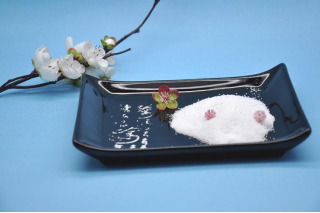
What does polyacrylamide (PAM) do in cleaning agents?
Cleaning agents are commonly used consumables in our daily lives. Anionic polyacrylamide (HPAM) can be used as a thickener for cleaning agents. It plays an important role in thickening. After adding anionic polyacrylamide (HPAM) to the cleaning agent, it has the characteristics of environmental protection, safety, fine foam, fast decontamination, easy cleaning, and no residue. Since anionic polyacrylamide (HPAM) has some chelation, it is generally recommended to add between 1/1000 and 5/1000. The specific and detailed dosage should be determined according to the actual situation of the application and the formulation conditions. Otherwise, anionic polyacrylamide (HPAM) has a strong tensile effect, which will affect the use of cleaning agents to a certain extent.