Juice is a common drink in our life, but juice will produce a large amount of organic wastewater in the production process, the wastewater contains sugar, organic acids, pectin, acids, alkalis and other organic matter, juice wastewater comes from the cleaning, crushing, juicing and other processes of fruits, as well as bottle washing, sterilization, bottle breaking loss, ground cleaning and other links in the canning process. Wastewater contains high concentrations of sugars, pectin, pomace and water-soluble substances, cellulose, fruit acids, tannins, mineral salts, etc. And the wastewater contains a large amount of organic acids, which are discharged directly without treatment, which will cause serious environmental pollution.
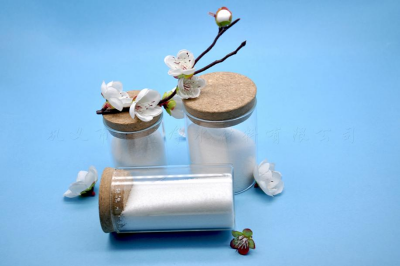
The main sugars in fruit juice wastewater are fructose, glucose and sucrose, and the ratio of the three is 2:1:1. The wastewater generated at different stages of the production process has different characteristics. Even at the same stage, the quality of wastewater varies greatly due to different products. With the advancement of China's environmental protection cause, environmental protection is becoming more and more stringent, and the treatment of canned fruit wastewater is imminent. Polyacrylamide (PAM) plays an important role in the treatment of fruit canning wastewater. The following Henan Laixing Water Purification will answer the role of polyacrylamide (PAM) in juice canneries in detail.
Generally speaking, the treatment of juice wastewater includes aerobic treatment process, SBR process, CASS process, hydrolysis-aerobic treatment process, hydrolysis-aerobic treatment process, hydrolysis-acidification-contact oxidation combination process, etc., and the agents used in these processes are mainly polyacrylamide (PAM) and polyaluminum chloride (PAC).etc., polyaluminum ferrochloride (PAFC) and other water treatment agents. Since most of the juice wastewater is wastewater, the pH value of the wastewater needs to be adjusted. The adjusted polyacrylamide (PAM) can be used directly for preliminary flocculation precipitation, where most organic matter and suspended solids can settle down before deep purification. In other treatment processes, pre-treatment is also carried out first, and then flocculation and precipitation. At this time, anionic polyacrylamide (HPAM) and polyaluminum chloride (PAC) are mostly selected. After the sewage is completely treated in the later stage, cationic polyacrylamide (CPAM) can be added to dehydrate the sludge when treating the sludge at the bottom of the sedimentation tank. The dehydrated dry mud cake can be sold to fertilizer plants, fertilizer plants, feed mills, etc. to increase income, while the wastewater that meets the standards can be used for irrigation, industrial water, etc.