Many friends who know polyacrylamide (PAM) know that commonly used polyacrylamide (PAM) is divided into powder and emulsion forms. Most customers use polyacrylamide (PAM) powder products. When using this product, the product should be dissolved in a certain proportion before it can be used normally. The manufacturer's products are free to use and dissolve, and are provided to customers to avoid problems after customer use, such as polyacrylamide (PAM) is formulated into a solution and then drawn. So why does polyacrylamide (PAM) draw? Does polyacrylamide (PAM) drawing affect the use?
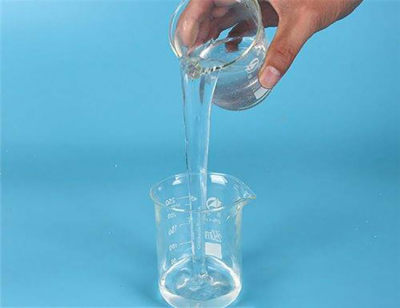
Why does polyacrylamide (PAM) draw?
The brushed shape of polyacrylamide (PAM) is due to the higher the molecular weight of polyacrylamide (PAM), the higher the viscosity, usually polyacrylamide (PAM). The drawing phenomenon is caused by excessive dosage or high concentration, which can be solved by reducing the amount or dilution. Taking cationic polyacrylamide (CPAM) as an example, there will be a drawing phenomenon when preparing the solution, which is generally caused by too much dosage or too high concentration of the prepared solution. In this case, the dose needs to be reduced or diluted.
Does polyacrylamide (PAM) drawing affect the use?
Polyacrylamide (PAM) is used to treat wastewater or for other purposes because of its properties. The effect of using polyacrylamide (PAM) after drawing depends on the quality of the water to be treated, and some industries can use it (such as thickening industry) and others cannot (such as industrial wastewater treatment). Normally, polyacrylamide (PAM) manufacturers do not recommend this use, one is that it will cause waste and increase the cost of use, but after treatment, it can lead to viscous water quality, and the effect is not good.