Polyacrylamide (PAM) can be divided into anionic polyacrylamide (HPAM) type and cationic polyacrylamide (CPAM) according to type. type, nonionic polyacrylamide (NPAM) type and zwitterionic type. According to the average molecular weight, it can be divided into three categories: low molecular weight (< 1 million), medium molecular weight (200-4 million), and high molecular weight (>7 million). So what does the molecular weight of polyacrylamide (PAM) mean? Many customers don't understand. We know that industrial products have corresponding specifications and indicators. Molecular weight is one of the main indicators of various types of polyacrylamide (PAM), so what is the meaning and difference of polyacrylamide (PAM) molecular weight? The following is shared in detail by Henan Laixing Water Purification.
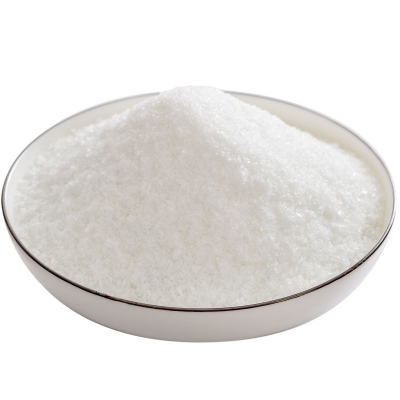
Explanation of the meaning of molecular weight: Relative molecular weight is the sum of the relative atomic masses of each atom in a chemical formula. Polyacrylamide (PAM) is a synthetic polymer with a molecular weight of millions or even tens of millions. The molecular weight of polyacrylamide (PAM) refers to the length of its molecular chain. The larger the molecular weight, the longer the molecular chain, the greater the viscosity of the aqueous solution after dissolution, and the greater the resistance in the solution.
After understanding the meaning of molecular weight, many customers wonder if the higher the molecular weight, the better the performance. Specifically, this is not the case. First, it depends on where the application is. Secondly, it also depends on other performance indicators. For example, cationic polyacrylamide (CPAM) has low molecular weight requirements and high ionization requirements. In anionic polyacrylamide (HPAM) and nonionic polyacrylamide (NPAM) products, the indicator of hydrolysis is also important. Different degrees of hydrolysis have different practical application effects. Generally speaking, the same molecular weight of the same product is the same, and other indicators are different, which will lead to different practical application effects.
In most applications, polyacrylamide (PAM) is not a single indicator of molecular weight, and the higher the molecular weight, the higher the price of the product, and the better the effect. Therefore, if you want to choose the appropriate molecular weight, you can only conduct experimental tests according to the specific use and choose according to the scientific and rigorous test results.