Polyacrylamide (PAM) is a polymer flocculant widely used in the water treatment industry, widely used in industrial and municipal domestic sewage treatment, and the amount of sewage generated in our daily life is large and also needs to be purified. Urban sewage has the characteristics of large water volume and wide sources, such as kitchen water, washing water, toilet drainage, etc., most of which are non-toxic inorganic salts. The main sources of pollution in water bodies are feces and washing sewage.
The per capita discharge of urban sewage is about 150-250L, and the sewage contains starch, cellulose, sugar, adipoprotein and other organic substances. It also contains pathogenic bacteria, viruses and parasite eggs; Chloride, sulfate, phosphate, bicarbonate and inorganic salts Sodium, potassium, calcium, magnesium. Urban sewage is characterized by unstable organic matter, high content of nitrogen, phosphorus and sulfur, and bacteria and pathogens can rely on organic matter in sewage for nutrition and large-scale reproduction. Under the action of anaerobic bacteria, it is easy to spoil and produce peculiar odors.
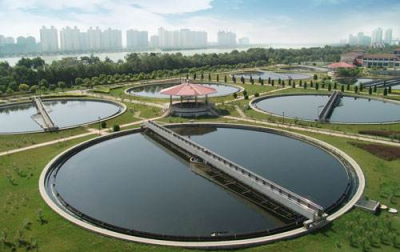
The main feature of urban sewage is good biodegradability, so it is better to use biochemical treatment methods. During the treatment process, the key is the conditioning cell, oxidation cell, and sedimentation cell. The main function of the conditioning tank is to make the water quality uniformly adjust the water volume and make the sewage enter the subsequent treatment unit evenly. The oxidation tank reduces the content of organic pollutants and nitrogen and phosphorus in the sewage, and the sedimentation tank accelerates the separation of slurry and water. Polyacrylamide (PAM) is mainly used in flocculation sedimentation and sludge dewatering in urban sewage treatment. Cationic polyacrylamide (CPAM) is used for general municipal sewage treatment. Cationic polyacrylamide (CPAM).Due to the variety of active groups, it can form hydrogen bonds with many substances and adsorption. It is mainly flocculated with negatively charged colloidal sewage, and has the functions of turbidity, decolorization, adsorption, bonding, etc., and is suitable for the treatment of wastewater with high organic colloidal content in dyeing, papermaking, food, construction, metallurgy, mineral processing, pulverized coal, oilfield, aquatic processing and fermentation industries, especially for the dehydration treatment of urban sewage, urban sludge, papermaking sludge and other industrial sludge.
The key to urban sewage treatment lies in water quality, and the flocculants used should be tested and selected according to the water quality. According to the load and organic components of sewage, the corresponding chemical agents are selected, and the use and dosage of polyacrylamide (PAM) are tested to achieve better treatment effect and lower usage.