How to read polyacrylamide (PAM) pinyin? Polyacrylamide (PAM), as a linear polymer flocculant, is widely used in other industries in addition to wastewater treatment. Many users purchase polyacrylamide (PAM) without knowing how to pronounce these words and often unable to say the full name. For example, what is polypropylene? What amide? Including searching on a computer or phone also searches for errors. And there are many people who often write the wrong polypropylamide, so how to read polyacrylamide (PAM)? What is Pinyin?
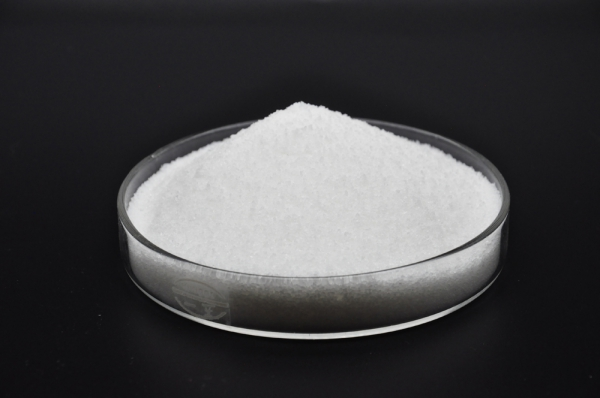
Poly, propylene, alene, acyl, amine |
jù、bǐng 、xī、xiān 、àn |
Polyacrylamide pinyin is: jù, bǐng, xī, xiān, àn, the full English name: polyacrylamide, abbreviated as PAM. According to the ion type, it can be divided into anionic type, cationic type, and nonionic type, CAS: 9003-05-8, molecular formula: (C3H5NO)n, molecular weight: 71.07.
Polyacrylamide (PAM) is a water-soluble linear polymer formed by the polymerization of acrylamide (AM) monomer initiated by free radicals. It has good flocculation and can reduce the friction resistance between liquids. According to the ionic characteristics, PAM can be divided into non-ionic type, anionic type, and cationic typetype and androgynous. According to its average molecular weight, it can be divided into three categories: low molecular weight (< 1 million), medium molecular weight (200~4 million) and high molecular weight (>7 million). Polyacrylamide (PAM) is insoluble in most organic solvents such as methanol, ethanol, acetone, ether, aliphatic hydrocarbons and aromatic hydrocarbons, but insoluble in polar organic solvents such as acetic acid, acrylic acid, chloroacetic acid, ethylene glycol, glycerin, molten urea, and formamide.