Polyacrylamide (PAM) is one of the effective water treatment agents in the field of sewage treatment, many customers know more or less about the use method and conditions of polyacrylamide (PAM), but there are also many customers who do not understand polyacrylamide (PAM).Methods of use and preservation, carelessness leads to losses. Henan Laixing Water Purification will share the knowledge about the shelf life of polyacrylamide (PAM) and how to preserve polyacrylamide (PAM).
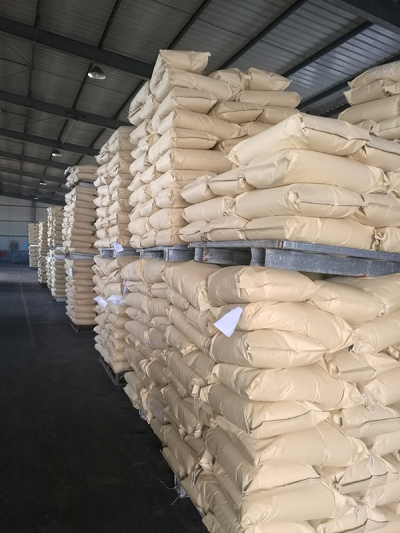
Polyacrylamide (PAM) is divided into two forms: solid powder and emulsion. Different forms of storage methods have different shelf life. In general, the shelf life of solid powder anionic polyacrylamide (HPAM) is 2 years. The shelf life of solid powder cationic polyacrylamide (CPAM) is shorter than that of anionic polyacrylamide (HPAM) at only 1 year. This point should be taken seriously. The shelf life of solid polyacrylamide (PAM) is not necessarily 2 years, as the storage environment has a significant impact on its shelf life. This product is suitable for storage in a ventilated, cool, dry place to extend its shelf life. If it is in a hot and humid environment, the shelf life will be shortened.
The shelf life of polyacrylamide (PAM) aqueous solution is more complex, and the shelf life will also be different due to different product models, preparation conditions, usage conditions, environmental factors, etc. The shelf life of aqueous solutions prepared in normal proportions is about one week, and it is recommended to prepare as needed. Polyacrylamide (PAM) emulsion has a shelf life of 6 months. Lotion products also need to be stored in a cool, dry and ventilated place. Emulsion polyacrylamide (PAM) will delamide after being stored for a period of time. As long as it is mixed evenly, it will not affect the use effect. Lotion products should be used as soon as possible after opening. If not used, it needs to be sealed and stored, otherwise it will lose its use.