
- Next page:Paper mill wastewater treatment
- Previous Page:Wastewater treatment in coal washing plants
Wastewater treatment at sand washing plants
Case Study: Circulating Water Treatment in Sand Washing Plants
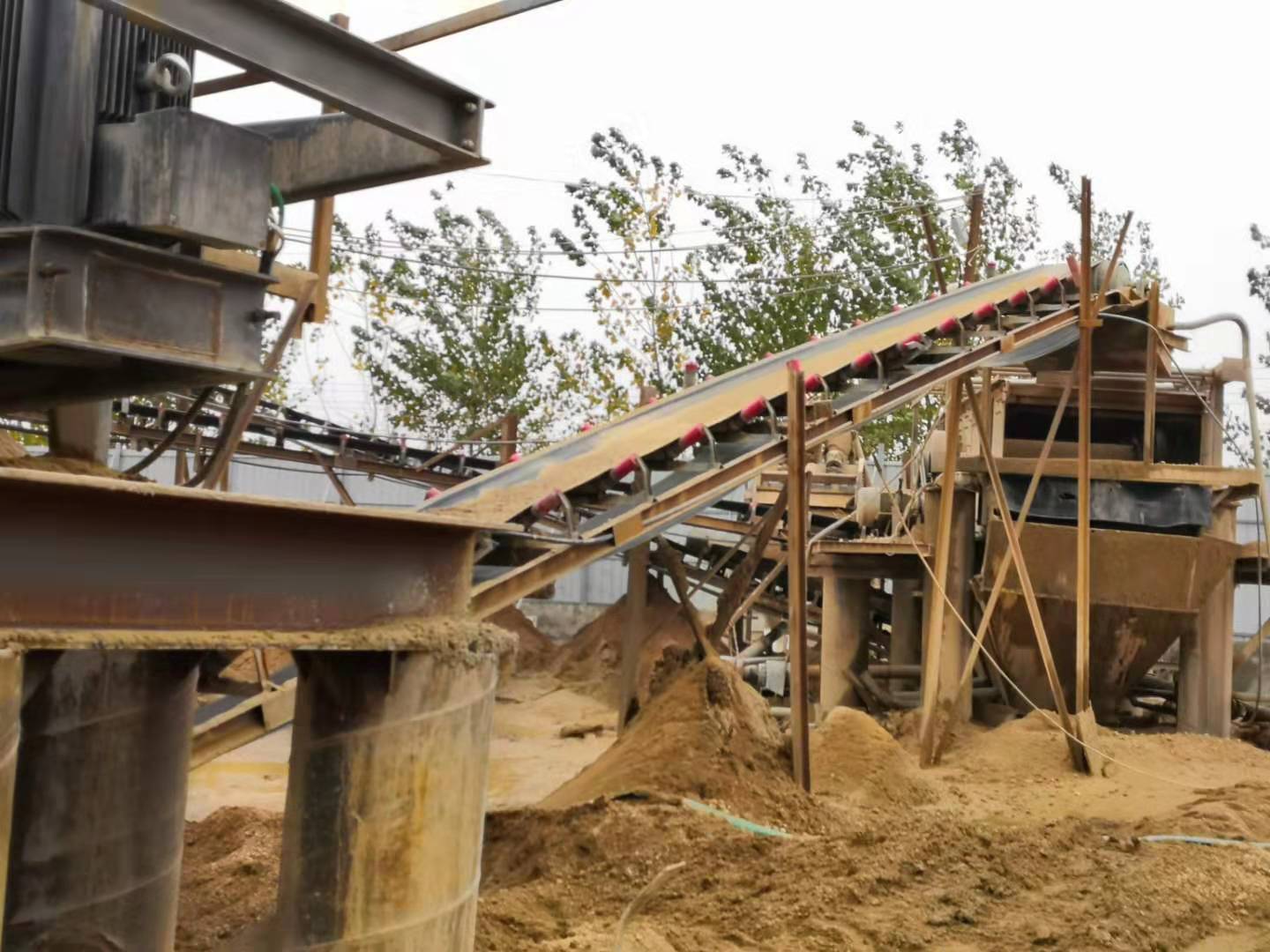
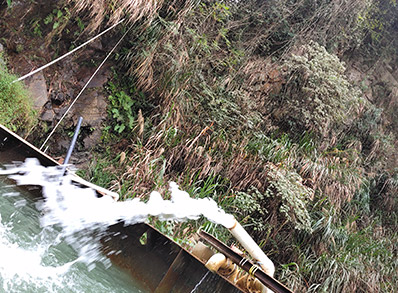
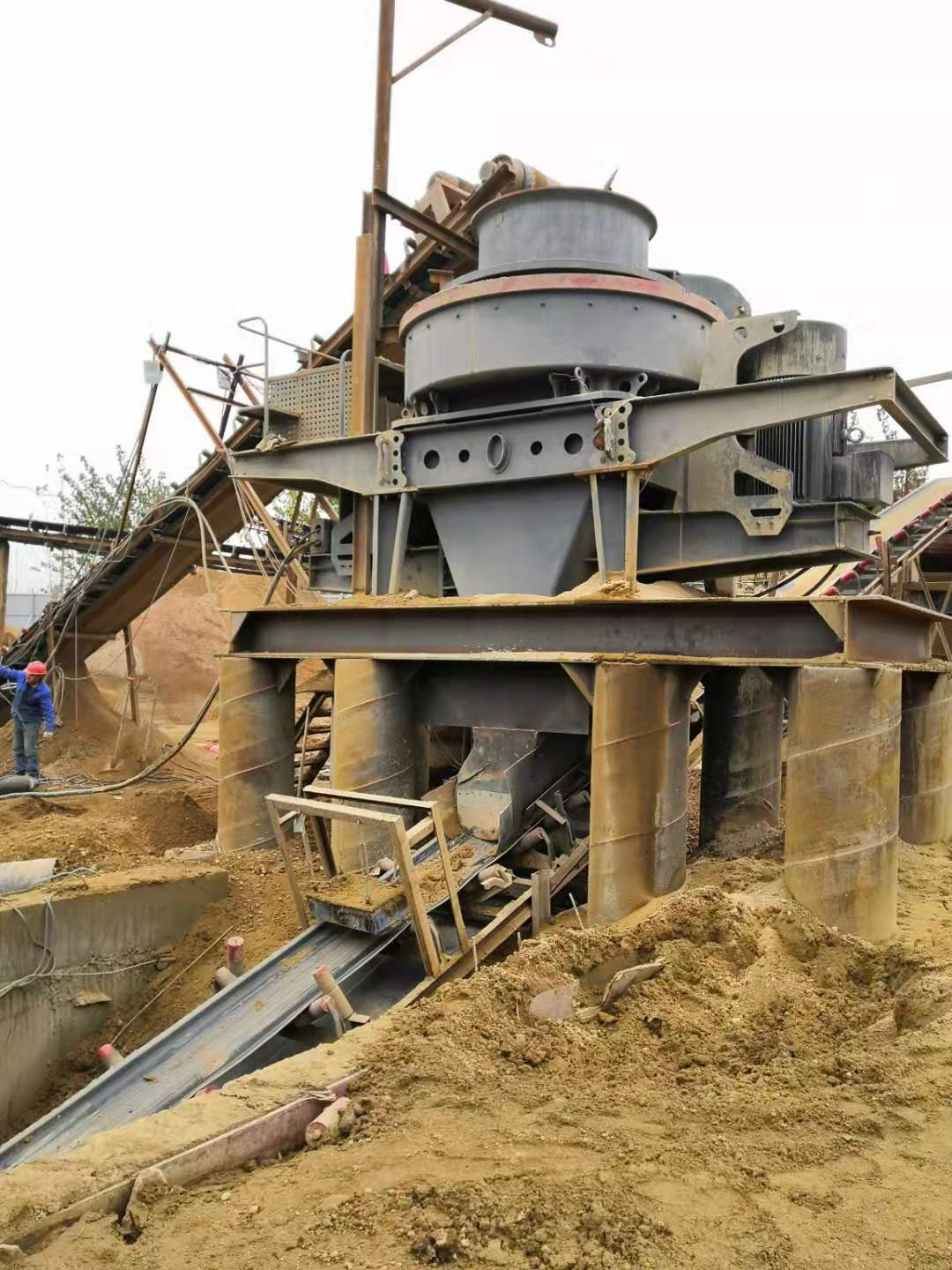
Wastewater from sand washing plants refers to the wastewater generated during the sand washing process in sand and gravel production enterprises. The main pollutants in this wastewater are chemical oxygen demand (COD) and suspended solids (SS), with SS being the most abundant, at a concentration of approximately 3000 mg/L. Before comprehensive wastewater treatment, assuming 8 hours of production per day, 25 days per month, and 10 months per year, the annual wastewater generation would be 80,000 tons (based on one mill). This wastewater contains approximately 80 tons of COD and 8,000 tons of SS. If this production wastewater is not treated promptly and effectively, it will not only waste a large amount of water resources and pollute water quality, but also affect road traffic and the normal production and lives of nearby residents.
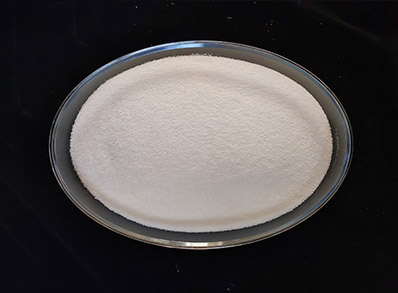
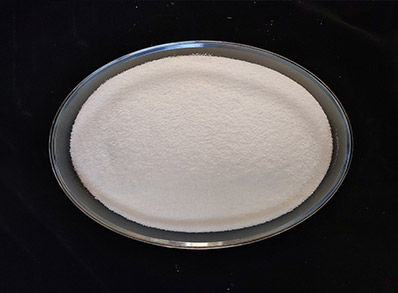
We typically use anionic polyacrylamide water treatment agents to treat sand washing wastewater. Treating sand washing wastewater is essentially the separation of mud and water. The separated water is then recycled and reused in sand washing. We usually use anionic polyacrylamide to separate the mud through flocculation and sedimentation. Firstly, the characteristics of mud depend on its composition and local geological conditions. Generally, mud is yellowish-brown in appearance, uniform and viscous, does not separate into layers after prolonged standing, and has a specific gravity between 1.20 and 1.46 (1.6 for yellow sand); a mud content of 20%–30%, and a pH value of 6–7. This mud originates from construction piling, sand pits, tunnels, and mine tailings. Gongyi Xujie Clean Water produces flocculants for treating mud and sand washing wastewater, which can effectively recover PEG from silicon carbide cleaning solutions; effectively reduce COD content in wastewater, simplifying subsequent treatment; allow for the recycling of some wastewater; and ensure that the treatment results meet or exceed national emission standards. For sand washing plants, anionic polyacrylamide is generally chosen as the flocculant. Anionic polyacrylamide is a water-soluble polymer. Due to the presence of a certain number of polar groups in its molecular chain, it can adsorb suspended solid particles in water, bridging the particles or neutralizing their charges to form large flocs. It is mainly used for flocculation and sedimentation of various industrial wastewater, and can also be used for drinking water clarification and purification. The effect is even more significant when using anionic polyacrylamide products and inorganic flocculants such as polyaluminum chloride.
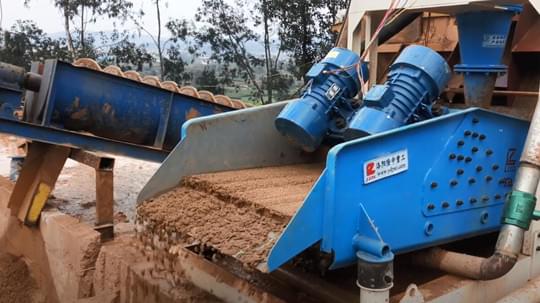
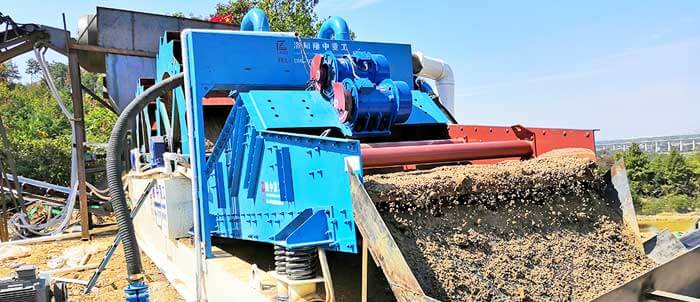
Sand washing wastewater is a mixed liquid containing fine mud particles with a specific gravity. It generally has the following characteristics: Appearance: yellowish-brown, uniform and viscous, does not separate into layers after long periods of stillness (excluding fine sand; fine sand can be extracted using a fine sand recovery machine); pH value: 6-7. If the proportion of sand is relatively high, it is advisable to extract the sand first using a fine sand recovery machine. This reduces the mud content and specific gravity, allowing for higher efficiency and cost savings when using a plate and frame filter press in subsequent processes.