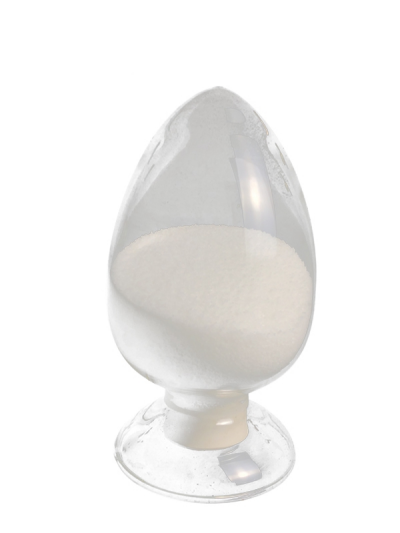
Polyacrylamide (PAM) has four major characteristics: flocculation, thickening, adhesion and drag reduction. Differences in various properties determine the wide application of polyacrylamide (PAM). For example, since flocculation can be used as a water treatment agent, drag reduction can be used as a drag reducer in oilfield drilling tertiary recovery, as a thickener in industries that require thickening, such as glue and mortar, and binding can be used as an adhesive in soil conditioning and shale gas fracturing. The following Henan Laixing Water Purification will answer the uses and functions of polyacrylamide (PAM) in detail.
1. Sewage treatment
According to the characteristics of polyacrylamide (PAM) flocculation, adsorption bridging, surface adsorption and sedimentation net trapping, the suspended solids in the sewage are bridged to form large particles, and the impurities, colloids and water in the sewage are promoted to leave. The application industry is very wide, including: a range of wastewater treatment produced in steel mills, coal washing plants, sand washing plants, mineral processing plants, electroplating plants, paper mills, metallurgical plants, pharmaceutical plants, municipal plants, slaughterhouses, breeding plants and food processing plants.
2. Oilfield drilling
In the drilling process of oilfield, polyacrylamide (PAM) is the raw material of drilling fluid. Its main function is to increase viscosity, fill, wall protection, filtration, lubricate the drill bit, and make rock chips more prone to slag. In the tertiary oil recovery, temperature-resistant salt-resistant polyacrylamide (PAM) and hydrolyzed anionic polyacrylamide (HPAM) were used to flood the oil. Nonionic polyacrylamide (NPAM) is often used to make glue and plug leaks.
3. Thickener
As thickeners, anionic nonionic polyacrylamide (HPAM) and nonionic polyacrylamide (NPAM) are mainly used, due to the positive effect Ionic polyacrylamide (CPAM) degrades quickly, so it is rarely used. As a thickener, it mainly plays a role in thickening, water retention and non-dispersion. Mainly concrete mortar is used, when used in the glue and coatings industry, it is mainly to increase viscosity and lubricity.
4. Dispersant
Polyacrylamide (PAM) is used as a dispersant primarily in the paper and textile industries. Polyacrylamide (PAM) is used as a dispersant and is mainly used to make the fibers and fillers more evenly distributed, making the paper smooth, uniform, and free of porosity. As a sizing agent, its main function is to press the sizing agent on the fabric, making the fabric smooth, thick and stiff.
5. Fracturing drag reducer
Polyacrylamide (PAM) can be used as a drag reducer for shale gas fracturing. Due to the limitations of the conditions of use, many are currently using instant polyacrylamide and polyacrylamide emulsions. It can reduce the turbulence of coarse fluids inside the pipeline and reduce the resistance of molecular movement.
6. Adhesive
Polyacrylamide (PAM) is typical in the fragrance industry as an adhesive, and ultra-high molecular weight polyacrylamide (PAM) is often used in incense making, because of its strong adhesion, it can make the surface of the blank smooth, not rough, not cracking, and not sticking to the mold. The finished product has a good appearance, the intensity of the fragrance body is significantly enhanced.
Polyacrylamide (PAM) is known as an additive for all industries due to its wide range of applications. In addition to the above functions, it can also be used as a piling mud additive, a papermaking residency filter aid, a windproof and sand fixation soil moisturizer, etc.