Coking plant wastewater refers to wastewater generated during coal coking, gas purification, chemical product recovery and refining. It mainly comes from coking wastewater and gas cooling wastewater, which accounts for more than half of the total coking wastewater and is the main source of coking wastewater. Gas final cooling water and crude benzene separation water, as well as wastewater generated during the refining process of tar and crude benzene. The following Henan Laixing Water Purification will answer the role of polyacrylamide (PAM) for wastewater treatment in coking plants in detail.
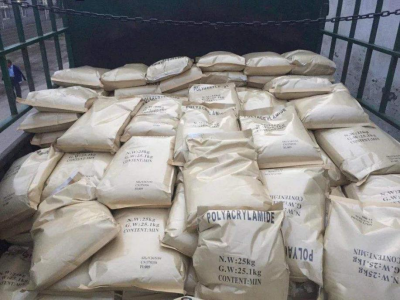
The coking wastewater treatment process usually includes pretreatment, biochemical treatment, coagulation treatment and sludge treatment. If deep purification is required, activated carbon treatment can be added, as well as wastewater denitrification and wastewater catalytic wet oxidation treatment. Polyacrylamide (PAM) for coking wastewater treatment is mainly used in the coagulation treatment stage of coking wastewater treatment process. By adding coagulants to wastewater, hydrolysis generates hydrated ions and hydroxide colloids, neutralizing the charge on the surface of certain substances in wastewater, causing these charged substances to flocculate. Polymeric iron sulfate coagulants and polyacrylamide (PAM) coagulants are commonly used in coking plants. The dosage of PFS is 20-30mg/L, and the dosage of polyacrylamide (PAM) is 0.25-0.13mg/L, which can remove pollutants such as COD, cyanide, chromaticity, F and total CN-, and make the wastewater discharge index meet the national discharge standard.
In the sludge treatment stage, cationic polyacrylamide (CPAM) can be used to adjust the sludge concentration, reduce the moisture content of the mud cake, and then press filtration. In order to avoid secondary pollution of sludge, the sludge cake is sent to the coal preparation and addition device, and mixed into the coal for coking. Henan Laixing Water Purification recommends that before using polyacrylamide (PAM) products, the sewage indicators should be measured through tests, the type of polyacrylamide (PAM) products should be selected and the dosage test should be carried out, and then tested on the machine to achieve the water purification effect with less dosage, low cost and good effect.